Tree stumps have a habit of becoming everyone’s problem. They trip the kids, block the mower, invite fungi, and confuse delivery drivers who are convinced your driveway is an obstacle course. When you finally decide to search for tree stump removal near me and get it done, you want the job finished quickly, cleanly, and without a week of disruption. That is entirely possible with the right approach and a competent team. I have spent years specifying, supervising, and troubleshooting stump grinding and extraction jobs across urban terraces, rural plots, and awkward commercial sites. This guide distils that experience into practical advice you can use to choose a stump grinding service near me, understand the technicalities, and make the cleanup truly hassle-free.
Why stumps cause more bother than you expect
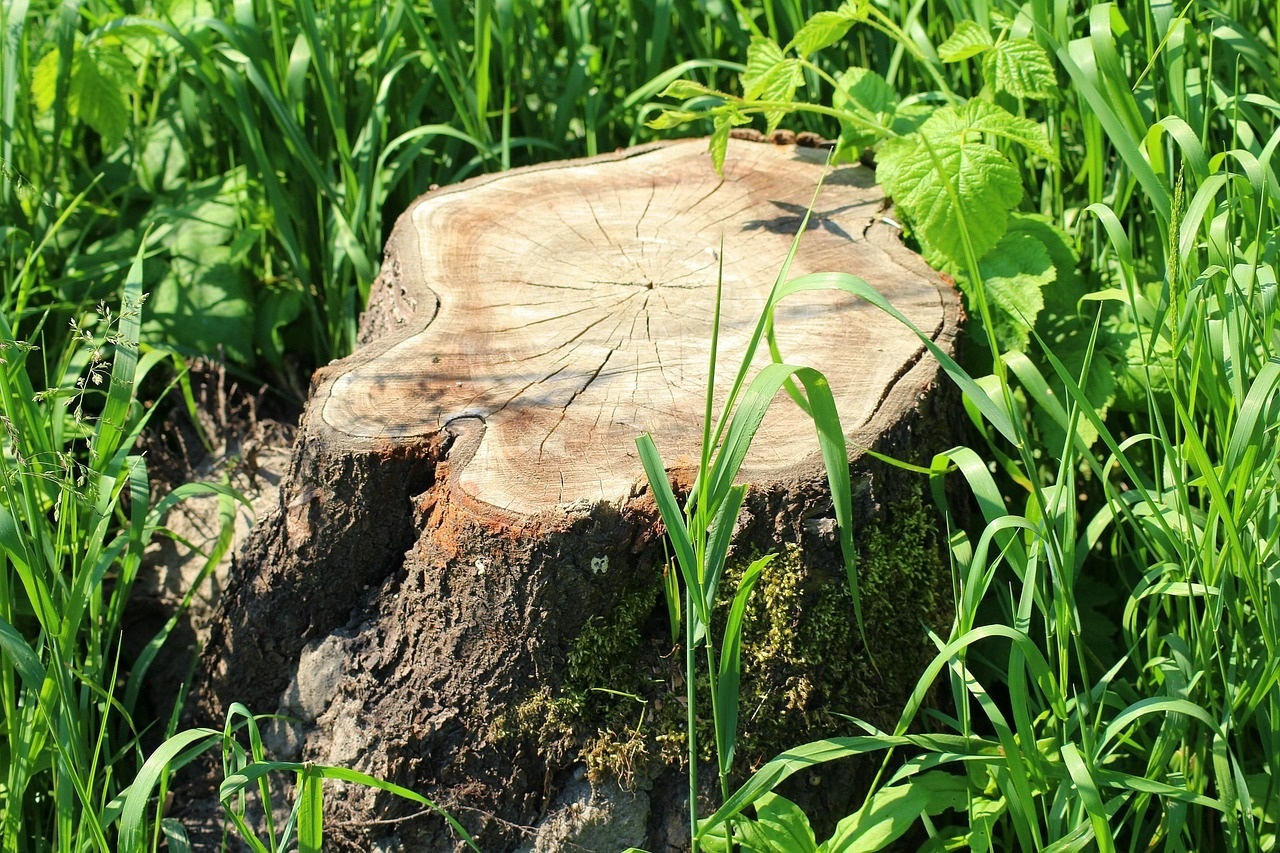
A stump is not just the bit you can see. The root plate often extends a metre or more beyond the stump edge, interlaced with utilities, path bases, and topsoil layers. Even a stump cut flush to the turf can sprout shoots for years, especially from species like willow, poplar, sycamore, and hawthorn. Fungi colonise the decaying wood, which is natural, but not ideal beside a patio or play area. In heavy clay, the ground can settle around a slowly rotting stump, leaving a shallow depression that puddles after rain. When someone calls for stump removal service near me because the new gate will not swing or the paving keeps lifting, it is usually the unseen roots telling the story.
Aesthetics aside, safety and practicality are the drivers. A stump in a lawn eats mower blades. A stump under a new deck invites uneven settlement. A stump near a wall can channel moisture and slow drying. Sorting it early costs less than dealing with the knock-on effects later.
Grinding versus full extraction: the decision that changes everything
Most domestic and light commercial jobs favour stump grinding, which shreds the stump and large structural roots down to a chosen depth, usually 150 to 300 mm below finished ground level. Tree stump grinding is fast, cost-effective, and minimally disruptive, particularly in tidy gardens with limited access. Full extraction, by contrast, means excavating the stump and lifting the root plate entirely, often with a mini digger or a winch set-up. It is slower, messier, and sometimes essential.
Choose grinding when you want a level surface for turf, beds, or paving, and there is no urgent need to remove every last root. Choose extraction when you must install deeper foundations, replant a large specimen tree in the same spot, remove invasive species known to sucker aggressively, or replace contaminated soil. Where utilities run close, grinding is usually safer because the operator can feather the depth progressively and stop the moment cable tracer readings change or a line is exposed. With extraction, you commit to a bigger dig, even if you find surprises.
Cost-wise, grinding tends to be a third to half the price of extraction for comparable sized stumps, because you are paying for time, fuel, wear on teeth, and transport, not heavy haulage and spoil disposal. Both methods can be combined: grind the bulk, then hand-dig the last stubborn cluster near a fence or service duct.
What a proper stump grinding setup looks like
The phrase stump grinding service near me covers a wide range of outfits, from a sole trader with a pedestrian grinder that fits through a 700 mm gate, to a crew running tracked machines that can eat through 1.5 m stumps and flared root plates without breaking sweat. Good contractors choose the machine to suit the site. The best bring more than one grinder, which stops a minor breakdown ruining your day.
Pedestrian grinders suit tight access and small to medium stumps. Tracked grinders shine on sloping or wet ground, where turf damage must be kept down and traction matters. Tow-behind units with remote controls are brilliant on wide, open plots. The cutting head should have sharp, balanced teeth; a dull set triples the time and sends more vibration into the soil. An experienced operator knows how to skim across flares, step the cut to prevent the head from bogging down, and manage spoil so you do not finish with a heap the size of a car.
The kit list should also include barriers, a rake and shovel, a cable avoidance tool, mats for ground protection, a blower or vacuum for dust, and proper PPE. If the team turns up with only the grinder and a smile, expect a messy exit.
Pre-survey: the fifteen minutes that saves a day
On well-run jobs, the site survey starts the week before and takes less than half an hour. The contractor notes access width, gate swing, surface type, slopes, trees to avoid, bed edges, utility entry points, and where to put the spoil. They ask about the tree species, felling date, and any regrowth. They run a cable locator across the stump area, trace the route from the meter boxes, and note the nearest inspection chambers. For new-build plots, they request the utility plans because shallow ducts are common around driveways and front gardens.
Stump diameter gets measured at ground level and across the flare. A 400 mm stump with a 700 mm flare grinds like a 600 mm stump. Field experience says each extra 50 mm of flare can add five to ten minutes. Multiply that by a cluster of stumps and you understand why accurate quoting beats guesswork.
What “near me” should buy you: responsiveness, not just proximity
When you search stump grinding near me or stump removal near me, the algorithm serves a radius of businesses. Proximity helps with response, but the real difference is scheduling discipline. The crews that do this well commit to time windows, call ahead with updates, and bring enough boards to protect your lawn. They ask about parking and whether neighbours need a heads-up. Proximity also matters for aftercare: if you need a revisit to remove grindings or top up soil, a local team can swing by between other jobs.
I measure local competence by how they handle awkward requests. Can they grind down to 300 mm for a path base, then switch to 450 mm for a future planting pit? Will they cut a clean edge against your patio with a spade before grinding to avoid chipping the slab? Do they bring a vacuum to clear dust from gravel paths? None of this takes long, but it shows a mindset that puts hassle-free above job-and-go.
Safety first: utilities, boundaries, and what lies beneath
Almost every experienced operator can tell a near miss story. The classic is a shallow telecom duct that runs across a front garden at 120 to 150 mm depth. Another common one is an old lead water line that takes a dogleg near a gatepost. Gas and electric usually run deeper, but extensions, DIY projects, and older properties break the rules. When a client asks for a stump removal service near me that can handle utilities safely, this is what we do in practice.
We trace the likely routes with a cable avoidance tool, cross-check with meter positions, and look for tell-tales like patched tarmac, marker tape, or an extra bend in the path. We start the grind shallow and work down in courses, listening for pitch changes that suggest stone, metal, or voids. We keep the machine slightly off-centre on the first passes to expose the root flares without diving straight down where lines often run. If there is doubt, we hand-dig a small inspection hole on the service side.
Boundary walls and fences deserve the same respect. Roots can knit under corner posts, which hold the fence plumb even as the timber rots. Grind that without thought and you loosen the post. Working skims around posts, then switching to hand-tools for the last sliver, takes longer but avoids a wobbly fence that becomes tomorrow’s phone call.
Depth, diameter, and the fussy details that determine cost
Most quotes are based on number of stumps, their measured diameters, depth required, access, species, and cleanup specification. Softwood stumps grind faster than dense hardwoods. Silver birch can disappear quickly, while oak, beech, and sweet chestnut take patience. Eucalyptus can be stringy and gums up teeth. Old conifers often have stones embedded in their collars, the souvenirs of years of strimming and gravel migration.
Depth determines whether you can lay turf, install bark mulch, or build a path without future sinkage. For lawns, 150 to 200 mm works in most soils if you remove the grindings and import clean topsoil. For patios and paths, 250 to 300 mm gives enough depth for sub-base and sharp sand. For replanting a sizeable tree in the exact spot, 450 to 600 mm may be needed, followed by soil improvement. More depth means more time, more grindings to deal with, and occasionally a larger machine. You should expect clear pricing for increments of depth, not vague “we will see on the day” lines.
The cleanup that earns the word “hassle-free”
Grindings are a mixture of wood chips and soil. Fresh grindings are hungry for nitrogen as they break down, which is why simply raking them over the hole and laying turf on top leads to yellow patches. A proper stump grinding service removes most of the grindings, backfills with a blend of topsoil and, if needed, compost, firms in layers, and grades the surface slightly proud to allow for settlement. Edges against paths and beds are re-cut. If it is winter, they leave the surface tidy and return in spring to top up if the ground settles.
You get a choice: keep the grindings for mulch in shrub beds, or have them carted away. For lawns or future planting, I recommend removal. For hedges and perennial beds, grindings can be reused as a light surface mulch away from the base of plants. They are not ideal as Tree stump removal near me a sub-base under paving because they remain spongy as they decompose.
On driveways and gravel, dust control matters. A good crew will use a blower to clear fines from gravel, brush dust off paving, and wash down where needed. If the job produces more spoil than expected, they should have a plan for disposal that does not involve your flower bed.
Edge cases: patios, decks, walls, and ponds
Not all stumps sit in lawns. The hard ones are those half under something else. A stump straddling a patio requires surgical grinding. The operator skims the soil edge first, shields the slab face with a board, and uses a narrow sweep to avoid chipping. For decking, you often find cut stumps beneath joists; grinding from above is impossible without lifting boards. Where removal is essential, we lift a run of boards, grind the stump, then rebuild with proper joist hangers.
Retaining walls bring their own problems. Roots can have grown in and around the footing. Heavy grinding beside a block wall risks vibration damage and loosening. In those cases, partial grinding combined with drilling or eco-plug treatment for the remnant may be safer. Ponds are a similar story: ground saturated by a pond edge amplifies machine imprinting. Tracking mats and a lighter pedestrian grinder prevent damage to the bank.
Dealing with regrowth and the question of herbicides
If a tree was felled recently and the stump is known for regrowth, such as ash, sycamore, or cherry, grinding will usually remove the buds and cambium layer that supply energy for new shoots. Occasionally, suckers pop up from lateral roots beyond the grinding zone, particularly with poplar and robinia. A targeted follow-up with a cut and paint herbicide on any regrowth ends the cycle. Responsible contractors keep to product guidelines, avoid application in wet or windy conditions, and never use chemicals near watercourses without the correct licences. If you prefer to avoid herbicides entirely, give it one growing season and prune any suckers immediately, repeat as required. Persistence works, though it can take a year or two.
Weather windows, soil conditions, and when to book
Grinding is less sensitive to weather than many garden tasks, but conditions still matter. Frozen ground makes cleanup awkward because grindings freeze into clumps. Very wet clay turns to porridge under tracks, which is a recipe for ruts. The sweet spot is firm, slightly moist soil. If a heavy rain front is due, ask your contractor to bring extra boards and schedule the bigger machine for fewer passes. On slopes, a tracked grinder is safer and kinder to turf regardless of weather.
Lead times vary seasonally. Late winter and early spring bring a surge as people prepare for landscaping work. Summer fills with building projects. If you are aligning stump work with a landscaper or a driveway contractor, book the stump grinding a week or two ahead. That buffer lets the ground settle slightly and gives you time to check the level before the next phase starts.
How to compare quotes without the headache
Quotes that look identical rarely are. One line might include removal of grindings, reinstatement with topsoil, and re-seeding, while another covers only the grind. Depth can be assumed or specified. Access notes are critical because moving a grinder through a terraced house hallway is slower than wheeling it along a side path. Ask for:
- Confirmed grinding depth and whether that is below current ground level or proposed finished level Inclusion or exclusion of grindings removal, and the amount of topsoil reinstatement Access requirements, protection for lawns and paving, and how utilities will be located
Three quotes from teams with consistent detail tell you far more than five vague estimates. Price is not the only decider, but it matters. If one is suspiciously low, you are usually looking at minimal cleanup, shallow grinding, or a plan to tip grindings into your beds and wave goodbye. If one is high, check whether they are allowing for extraction when grinding would suffice.
Real-world timings and costs you can sanity-check
Every region has its own rate structure, but the mechanics do not change. A single small stump of 200 to 300 mm diameter in open access might take 20 to 40 minutes to grind to 200 mm and another 20 minutes to tidy. A cluster of four medium stumps around 400 to 500 mm with moderate flare can fill half a day, especially if you are removing grindings and reinstating soil. Large stumps over 700 mm with buttress roots can absorb one to two hours each, sometimes longer if stone and debris are embedded.
Costs depend on travel, machine size, disposal fees, and labour. In many parts of the UK, a single small stump might be £90 to £180, with per-stump rates dropping for clusters. Medium to large stumps often price between £200 and £450, and complex extractions go beyond that. Reinstatement with topsoil, seed, or turf is additional. None of these figures are gospel, but they give you a benchmark to spot outliers.
What you can do beforehand to smooth the day
Clients often ask how to help. Simple actions make a visible difference. Clear access routes of pots, toys, and bins. Mark any sprinklers or drip lines with flags. If you know the route of your cables or water line, point it out. A quick photo of the meter box, the nearest inspection chamber, and the stump saves time on arrival. Alert neighbours if access crosses a shared path or if noise might be a concern for a home office day. Grinding is loud in short bursts, not a constant drone, but courtesy goes a long way.
If parking is tight, reserve a spot with your car so the crew can unload close to your gate. Good parking can save 15 minutes each way, which adds up when you are paying for a timed service.
Environmental considerations that go beyond lip service
Stump grinding is inherently lower impact than excavation. You avoid hauling large volumes of soil and root mass, and you keep the root network in place to hold ground stability while it decays. Disposal of grindings is the key environmental pivot. When there is space, reusing grindings as mulch cuts transport and tipping. Where disposal is necessary, ensure the contractor uses a licensed green waste facility.
Biodiversity is another angle. Stumps can be valuable habitats if they are out of the way. I have left dozens intact in woodland margins and replaced the grind with siting a crafted log pile elsewhere in the garden. For front lawns where footfall and aesthetics rule, removal wins. In sensitive sites, discuss timing around nesting seasons, even though the tree is already felled. Disturbance in hedge lines still matters for nearby species.
Fuel burn is a real cost and an environmental one. Efficient operators keep teeth sharp, choose the right machine for the job, and plan the sequence to minimise repositioning. The gains are small per job, but meaningful across a season.
Aftercare: getting the ground to behave
Once the stump is gone and the hole is backfilled, the ground will settle. How much depends on soil type, moisture, and how thorough the grinding was. In sandy or loamy soils, a firm compacting with the back of a spade in layers works. In heavy clay, aim to slightly overfill, then return in two to four weeks to top up before seeding. If you are laying turf, let the area sit for a week, water lightly, and check for dips. A 10 mm top-up now saves a visible hollow later.
If you are planting, think about root competition. Even after grinding, residual roots can rob nitrogen as they decompose. Mix in a slow-release fertiliser or well-rotted compost to buffer the effect. For new paths, compact a proper sub-base layer, not just sharp sand. Where you plan a fence, move the post line slightly if possible, away from the old root flares to give each post a clean hole.
When extraction earns its keep
Although grinding covers most needs, there are times when extraction is the straight answer. Species like running bamboo and some poplars sucker enthusiastically from leftover roots. Old stumps infected with honey fungus may prompt full removal and a soil change for a clean start. If you are putting in a small building, sauna, or hot tub with point loads and services, removing the root plate eliminates future voids.
Extraction looks brutal, but with the right kit and ground protection it can be contained. A mini digger with a narrow bucket, chains, and a ground anchor for winching can free a stump in one to two hours that would take half a day to grind because of embedded stone. The trade-off is spoil: you will have a hole to fill with compactable material, not topsoil alone. Set that expectation early, line up Type 1 or suitable fill, and you avoid a wobbly patio in six months.
Choosing the right team: signals that actually predict outcomes
Reviews help, yet the details in a conversation tell you more. Ask how they handle shallow utilities. Listen for specifics, not generalities. Request a named grinding depth and a cleanup description you can visualise. Notice whether they ask about access width, parking, slopes, and where you want grindings placed if you are keeping them. A company that offers both stump grinding service and wider tree work often schedules more flexibly, but a specialist grinder can be quicker on price and finish. There is no single right answer, only fit.
Insurance is not optional. Public liability should be current and proportionate to your property value. If a crew damages a path or a service, the right cover keeps stress low. Method statements and risk assessments are not bureaucratic theatre; they prevent problems. Teams that produce them even for small jobs tend to leave sites tidier, because they think in sequences.
A quick look at DIY: when it works and when it is a false economy
Homeowners sometimes consider hiring a small grinder for a day. For truly small stumps in open, level ground, with clear utility routes, DIY can work if you are fit, patient, and comfortable with loud, vibrating equipment. Factor in the hire cost, delivery, PPE, fuel, and your time. Blunt teeth on hire machines are common, which means slow progress and frustration. The machine will not fit through every gate, nor handle slope and wet ground kindly.
What you do not want is to nick a cable or shower a window with flung debris. Professional grinders have guards and operators with the muscle memory that prevents kickback. If you go DIY, work methodically, set physical barriers, and never grind blindly near suspected service routes. And if you start and find embedded stone or a root that runs under your wall, stop and call a stump removal service near me with the right kit.
What “near me” looks like in practice: logistics and follow-through
Being local is not a slogan, it is logistics. Local crews can split a day between two sites, returning after school pick-up times to avoid noise windows. They can pop back to top up soil after settlement without charging an extra minimum half-day. If weather spoils the first attempt, they reshuffle quickly. That is why searching stump removal near me or stump grinding service near me can pay off beyond the map pin. The job is small, but the coordination is what keeps it hassle-free.
For commercial clients, locality also matters for compliance. Retail forecourts and care homes need RAMS documents, timed works, and strict cleanup. A team used to the local council’s waste requirements will not leave you with a surprise disposal invoice.
From first call to finished lawn: a realistic, tidy sequence
The smoothest projects follow a simple rhythm. You call with sizes and photos. The contractor replies with a clear, itemised quote. A short site visit confirms access and utilities. On the day, the team arrives on time, sets barriers, traces utilities, and agrees where spoil goes. They grind in passes, tidy between stumps rather than leaving a mess to the end, remove grindings if agreed, backfill, and rake to a level. They blow paths, check edges, and walk the site with you. A week or two later, if the ground has settled, they drop by to top up soil. You reseed or lay turf. That is what hassle-free tree stump removal looks like.
Jargon buster you can keep in your pocket
People throw terms around, so here is what they mean in practice.
- Stump grinding: mechanical shredding of the stump and main roots to a set depth using a rotating cutting wheel Grindings: the wood and soil mix produced during grinding, sometimes called mulch or chips Root plate: the base of the stump and the cluster of major roots radiating outward Flare: the widened base of the trunk where it meets the root plate, often broader than the visible stump Extraction: lifting the stump and root plate out of the ground by excavation or winching
Bringing it all together
Whether you type tree stump removal near me, stump grinding near me, or stump removal service near me, you are not just buying a machine and an hour of noise. You are paying for judgement, setup, safety, and finish. The difference between a job that lingers in your mind as a hassle and one you forget the moment the gate shuts is usually found in the unglamorous details: utility checks, ground protection, sharp teeth, clear depth, and proper cleanup.
I have seen tiny postage stamp gardens restored to perfect after a 300 mm grind, and I have seen sprawling lawns spared from weeks of ruts by using the right tracked grinder and boards. I have had clients call back years later to say the reseeded patch still looks even, which is the quiet compliment that matters. If you take anything from this guide, let it be this: specify the result you need, ask the questions that uncover how a contractor works, and insist on a finish that will hold through a winter. Done well, tree stump grinding vanishes the problem entirely, leaving nothing more than a level patch and the permission to enjoy your space again.
Tree Thyme - Tree Surgeons
Covering London | Surrey | Kent
020 8089 4080
[email protected]
www.treethyme.co.uk
Tree Thyme - Tree Surgeons provide expert arborist services throughout Croydon, South London, Surrey and Kent. Our experienced team specialise in tree cutting, pruning, felling, stump removal, and emergency tree work for both residential and commercial clients. With a focus on safety, precision, and environmental responsibility, Tree Thyme deliver professional tree care that keeps your property looking its best and your trees healthy all year round.
Service Areas: Croydon, Purley, Wallington, Sutton, Caterham, Coulsdon, Hooley, Banstead, Shirley, West Wickham, Selsdon, Sanderstead, Warlingham, Whyteleafe and across Surrey, London, and Kent.
Google Business Profile:
View on Google Search
About Tree Thyme on Google Maps
Knowledge Graph
Knowledge Graph Extended
Follow Tree Thyme:
Facebook |
Instagram |
YouTube

Visit @treethyme on Instagram
Professional Tree Surgeons covering South London, Surrey and Kent – Tree Thyme - Tree Surgeons provide reliable tree cutting, pruning, crown reduction, tree felling, stump grinding, and emergency storm damage services. Covering all surrounding areas of South London, we’re trusted arborists delivering safe, insured and affordable tree care for homeowners, landlords, and commercial properties.
❓
Q. How much does tree surgery cost in Croydon?
A. The cost of tree surgery in the UK can vary significantly based on the type of work required, the size of the tree, and its location. On average, you can expect to pay between £300 and £1,500 for services such as tree felling, pruning, or stump removal. For instance, the removal of a large oak tree may cost upwards of £1,000, while smaller jobs like trimming a conifer could be around £200. It's essential to choose a qualified arborist who adheres to local regulations and possesses the necessary experience, as this ensures both safety and compliance with the Wildlife and Countryside Act 1981. Always obtain quotes from multiple professionals and check their credentials to ensure you receive quality service.
❓
Q. How much do tree surgeons cost per day?
A. The cost of hiring a tree surgeon in Croydon, Surrey typically ranges from £200 to £500 per day, depending on the complexity of the work and the location. Factors such as the type of tree (e.g., oak, ash) and any specific regulations regarding tree preservation orders can also influence pricing. It's advisable to obtain quotes from several qualified professionals, ensuring they have the necessary certifications, such as NPTC (National Proficiency Tests Council) qualifications. Always check for reviews and ask for references to ensure you're hiring a trustworthy expert who can safely manage your trees.
❓
Q. Is it cheaper to cut or remove a tree?
A. In Croydon, the cost of cutting down a tree generally ranges from £300 to £1,500, depending on its size, species, and location. Removal, which includes stump grinding and disposal, can add an extra £100 to £600 to the total. For instance, felling a mature oak or sycamore may be more expensive due to its size and protected status under local regulations. It's essential to consult with a qualified arborist who understands the Tree Preservation Orders (TPOs) in your area, ensuring compliance with local laws while providing expert advice. Investing in professional tree services not only guarantees safety but also contributes to better long-term management of your garden's ecosystem.
❓
Q. Is it expensive to get trees removed?
A. The cost of tree removal in Croydon can vary significantly based on factors such as the tree species, size, and location. On average, you might expect to pay between £300 to £1,500, with larger species like oak or beech often costing more due to the complexity involved. It's essential to check local regulations, as certain trees may be protected under conservation laws, which could require you to obtain permission before removal. For best results, always hire a qualified arborist who can ensure the job is done safely and in compliance with local guidelines.
❓
Q. What qualifications should I look for in a tree surgeon in Croydon?
A. When looking for a tree surgeon in Croydon, ensure they hold relevant qualifications such as NPTC (National Proficiency Tests Council) certification in tree surgery and are a member of a recognised professional body like the Arboricultural Association. Experience with local species, such as oak and sycamore, is vital, as they require specific care and pruning methods. Additionally, check if they are familiar with local regulations concerning tree preservation orders (TPOs) in your area. Expect to pay between £400 to £1,000 for comprehensive tree surgery, depending on the job's complexity. Always ask for references and verify their insurance coverage to ensure trust and authoritativeness in their services.
❓
Q. When is the best time of year to hire a tree surgeon in Croydon?
A. The best time to hire a tree surgeon in Croydon is during late autumn to early spring, typically from November to March. This period is ideal as many trees are dormant, reducing the risk of stress and promoting healthier regrowth. For services such as pruning or felling, you can expect costs to range from £200 to £1,000, depending on the size and species of the tree, such as oak or sycamore, and the complexity of the job. Additionally, consider local regulations regarding tree preservation orders, which may affect your plans. Always choose a qualified and insured tree surgeon to ensure safe and effective work.
❓
Q. Are there any tree preservation orders in Croydon that I need to be aware of?
A. In Croydon, there are indeed Tree Preservation Orders (TPOs) that protect specific trees and woodlands, ensuring their conservation due to their importance to the local environment and community. To check if a tree on your property is covered by a TPO, you can contact Croydon Council or visit their website, where they provide a searchable map of designated trees. If you wish to carry out any work on a protected tree, you must apply for permission, which can take up to eight weeks. Failing to comply can result in fines of up to £20,000, so it’s crucial to be aware of these regulations for local species such as oak and silver birch. Always consult with a qualified arborist for guidance on tree management within these legal frameworks.
❓
Q. What safety measures do tree surgeons take while working?
A. Tree surgeons in Croydon, Surrey adhere to strict safety measures to protect themselves and the public while working. They typically wear personal protective equipment (PPE) including helmets, eye protection, gloves, and chainsaw trousers, which can cost around £50 to £150. Additionally, they follow proper risk assessment protocols and ensure that they have suitable equipment for local tree species, such as oak or sycamore, to minimise hazards. Compliance with the Health and Safety at Work Act 1974 and local council regulations is crucial, ensuring that all work is conducted safely and responsibly. Always choose a qualified tree surgeon who holds relevant certifications, such as NPTC, to guarantee their expertise and adherence to safety standards.
❓
Q. Can I prune my own trees, or should I always hire a professional?
A. Pruning your own trees can be a rewarding task if you have the right knowledge and tools, particularly for smaller species like apple or cherry trees. However, for larger or more complex trees, such as oaks or sycamores, it's wise to hire a professional arborist, which typically costs between £200 and £500 depending on the job size. In the UK, it's crucial to be aware of local regulations, especially if your trees are protected by a Tree Preservation Order (TPO), which requires permission before any work is undertaken. If you're unsure, consulting with a certified tree surgeon Croydon, such as Tree Thyme, can ensure both the health of your trees and compliance with local laws.
❓
Q. What types of trees are commonly removed by tree surgeons in Croydon?
A. In Croydon, tree surgeons commonly remove species such as sycamores, and conifers, particularly when they pose risks to property or public safety. The removal process typically involves assessing the tree's health and location, with costs ranging from £300 to £1,500 depending on size and complexity. It's essential to note that tree preservation orders may apply to certain trees, so consulting with a professional for guidance on local regulations is advisable. Engaging a qualified tree surgeon ensures safe removal and compliance with legal requirements, reinforcing trust in the services provided.
Local Area Information for Croydon, Surrey